



mRNA detectable in blood for two weeks. Anti-vaxxers cite this as proof of danger. Cancer researchers cite it as proof the delivery system works. Same data. Different literacy.
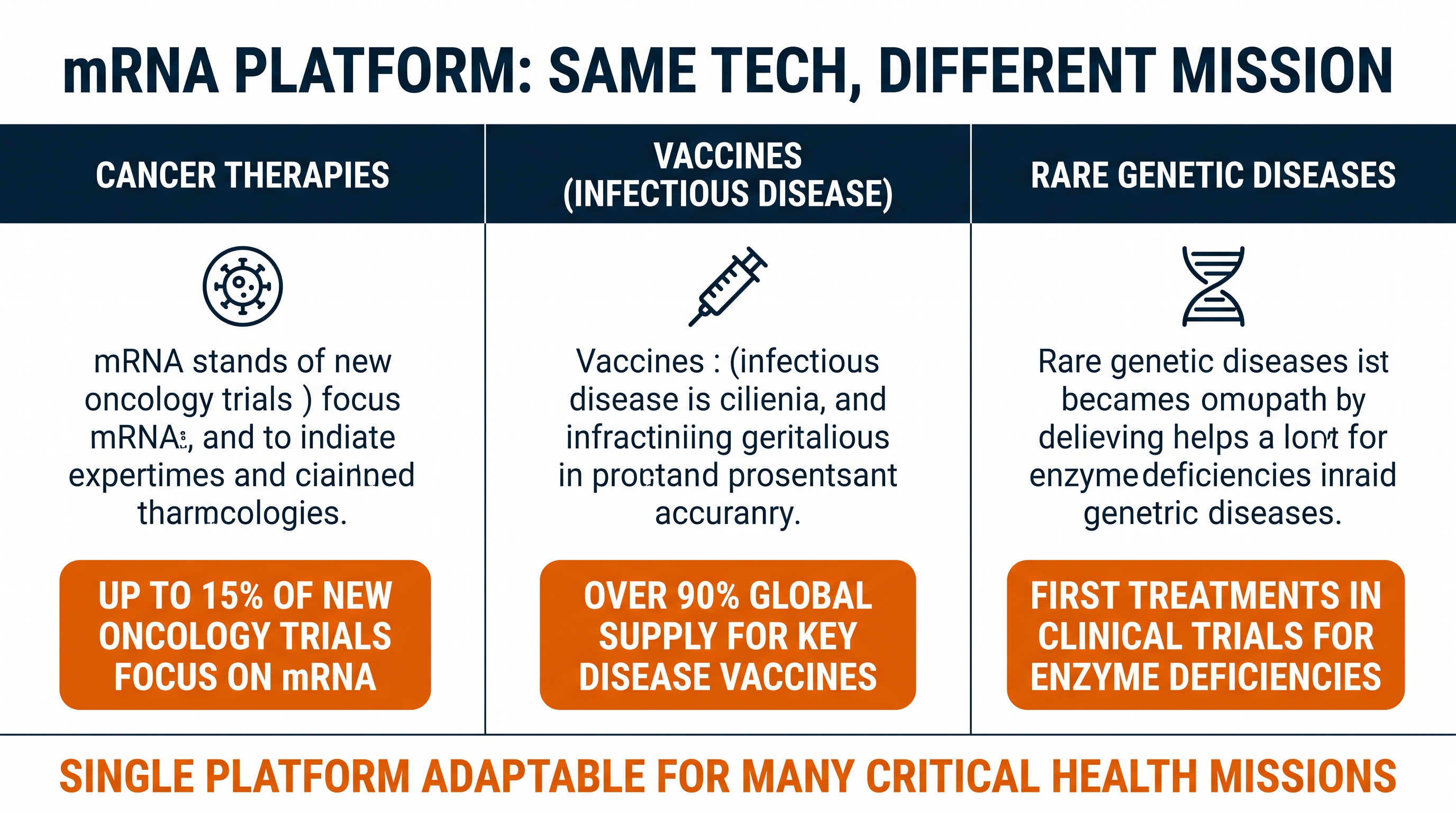
This is the central tension in understanding mRNA technology. The same platform that delivered COVID-19 vaccines is now being engineered for cancer treatment. The differences matter more than the similarities.
Dose: The Gap Between Prevention and Treatment
The Pfizer COVID-19 vaccine contained 30 micrograms of mRNA per dose. Moderna's formulation contained 100 micrograms. These are prevention doses, designed to trigger a brief, robust immune response to a pathogen.
Cancer therapeutic trials use 100 to 1,000 micrograms. Repeatedly. Sometimes monthly for years. This isn't recklessness. It's intentional engineering. Cancer cells are self-derived. The immune system is trained to tolerate them. Overcoming that tolerance requires stronger, sustained signaling. Higher doses plus repeated administration trains T-cells to recognize tumor antigens as threats.
The formulation differences matter too. Moderna's LNP composition and mRNA modifications differ from Pfizer's. These are not interchangeable metrics for comparing efficacy or safety.
The pH Switch: How LNPs Actually Work
Ionizable lipids like ALC-0315 and SM-102 carry positive charge in acidic manufacturing conditions. They flip neutral in physiological pH—your bloodstream. This pH-dependent charge switching is the key design feature that makes modern mRNA vaccines viable.
Positive charge at low pH lets them bind and package mRNA during production. Neutral charge at body pH reduces toxicity and enables release. It's chemistry homework, not magic. This platform technology predates COVID-19 and extends beyond it.
Biodistribution: What Animal Studies Actually Show
LNPs accumulate in liver, spleen, and bone marrow in animal studies using radiolabeled tracers. This sounds alarming in isolation. Context matters.
Animal studies use higher doses and different administration routes than human vaccines. Dose normalization for human equivalent calculations requires body surface area math. Depending on method, this yields a threefold to tenfold difference. Regulatory agencies require safety margins, but the conversion is complex and often misrepresented in social media graphics.
For cancer applications, this accumulation is actually being engineered around. Researchers are redesigning LNPs to target lymph nodes instead of liver. Same platform. Different destination. The mRNA stays transient. The immune memory persists.
IgG4 Switching: Adaptive, Not Automatically Bad
Repeated mRNA COVID-19 vaccination induces spike-specific IgG4 antibody class switching from inflammatory IgG1 and IgG3 subclasses. This finding has fueled considerable concern.
Context: IgG4 class switching occurs with repeated antigen exposure in many contexts. Allergen immunotherapy deliberately induces it to reduce allergic responses. Chronic infections trigger it too. The clinical significance remains unclear. It's an adaptive immune response, not necessarily a dysfunction. Researchers are monitoring whether it affects long-term protection, but no proven harm has been established.
Population Data: What 73,608 Patients Show
A Singapore study tracked 73,608 patients with cancer and 621,475 matched controls through four mRNA vaccine doses. The study focused on COVID-19 severity, not cancer incidence post-vaccination. True cancer incidence studies require longer follow-up.
Existing data are reassuring but not definitive. Large-scale pharmacovigilance continues. Patients with active cancer should discuss vaccination timing with their oncologists. The data do not support increased cancer risk from mRNA vaccination.
The Engineering Pivot
The critical insight: cancer mRNA vaccines are not COVID vaccines with a different antigen. They're a different application of the same platform, with deliberate design changes. Higher doses. Repeated administration. LNP targeting to lymph nodes rather than liver. The goal is not preventing infection but stimulating anti-tumor immunity.
The mRNA detection in blood that fuels fears? That's transient mRNA clearing from an unstable molecule. It's why boosters are needed. It's also why the technology can be tuned—duration of signal is a design parameter, not a fixed bug.
--- Disclaimer: This content is for educational purposes only and does not constitute medical advice. We do not diagnose or treat any condition. Always consult a qualified healthcare provider for personalized recommendations about supplements, dosage, and potential interactions.
Sources
- Vaccine mRNA Can Be Detected in Blood at 15 Days Post-Vaccination
- Repeated COVID-19 mRNA vaccination results in IgG4 class switching and decreased NK cell activation by S1-specific antibodies in older adults
- Biodistribution of lipid nanoparticle, eGFP mRNA and translated protein following subcutaneous administration in mouse
- COVID-19 Severity and Waning Immunity After up to 4 mRNA Vaccine Doses in 73 608 Patients With Cancer and 621 475 Matched Controls in Singapore
- FDA: Considerations for the Quality, Safety and Efficacy of mRNA Vaccines
- Moderna COVID-19 Vaccine Letter of Authorization
- Delayed Heterologous SARS-CoV-2 Vaccine Dosing (Boost) After Receipt of EUA Vaccines